
High turnover feels like success for small businesses. Money is coming in, sales look strong, and the business feels busy. But turnover on its own proves very little. Many small businesses with impressive sales still struggle because they don’t understand what is left after costs.
Turnover creates movement. Margins create survival.
Margin problems rarely feel urgent in small businesses. They sit quietly while revenue looks healthy. By the time they are obvious, the damage is already done. At Tickdoc accounting, this pattern shows up repeatedly. As small business accountants, we see small businesses chase growth through sales, only to discover later that growth added pressure instead of profit.
Why Turnover Without Margin Is a Problem for Small Businesses
The real risk is not low sales. It is false confidence.
Without margin tracking through proper bookkeeping, pricing becomes guesswork. Costs rise without being noticed. Discounts feel harmless but quietly erode profit. Cash flow tightens even though turnover looks strong. Gross profit margin shows what remains after direct costs such as stock, materials, and labour, telling small business owners whether pricing works and whether selling more actually improves the business or quietly makes it worse. If gross margin is weak, higher turnover increases workload while reducing financial stability.
Net profit margin goes further, showing what is left after all costs are accounted for, including overheads, finance, tax, and admin. It reveals the true health of a small business and whether the effort, risk, and time involved are actually worth it. Many small businesses look successful on paper while quietly failing at net level. HMRC does not tax turnover. Suppliers are not paid with turnover. What matters is profit, yet many small businesses do not know theirs until year end.
How Small Businesses Lose Sight of Margins
Margin loss usually comes from delay, not neglect.
Accounts are reviewed annually instead of monthly. Costs are recorded but not analysed. Supplier price increases are absorbed instead of passed on. The bank balance becomes a substitute for proper reporting rather than relying on accurate bookkeeping data.
Often this is made worse by poor or incomplete accounting software setup and training, where systems exist but are not used properly or consistently. Nothing breaks straight away. Sales continue, bills get paid, and the small business feels stable. But profitability drifts long before anyone notices.
The Cost of Not Knowing Your Numbers
The cost appears later, when it is hardest for small businesses to fix. Time is wasted chasing answers under pressure. Poor pricing decisions repeat because there is no clear visibility. Growth adds stress instead of profit because margin problems scale as turnover increases. Without monthly management accounts produced from reliable bookkeeping, small businesses often chase more sales when the real issue is margin leakage.
More turnover does not fix broken margins. It exposes them.
What Margin Awareness Looks Like in Small Businesses
Healthy small businesses do not wait until year end to understand performance. They review gross and net margins monthly, quarterly or half yearly bookkeeping. They compare revenue to direct costs and overheads. They identify rising expenses early and adjust pricing before damage is done.
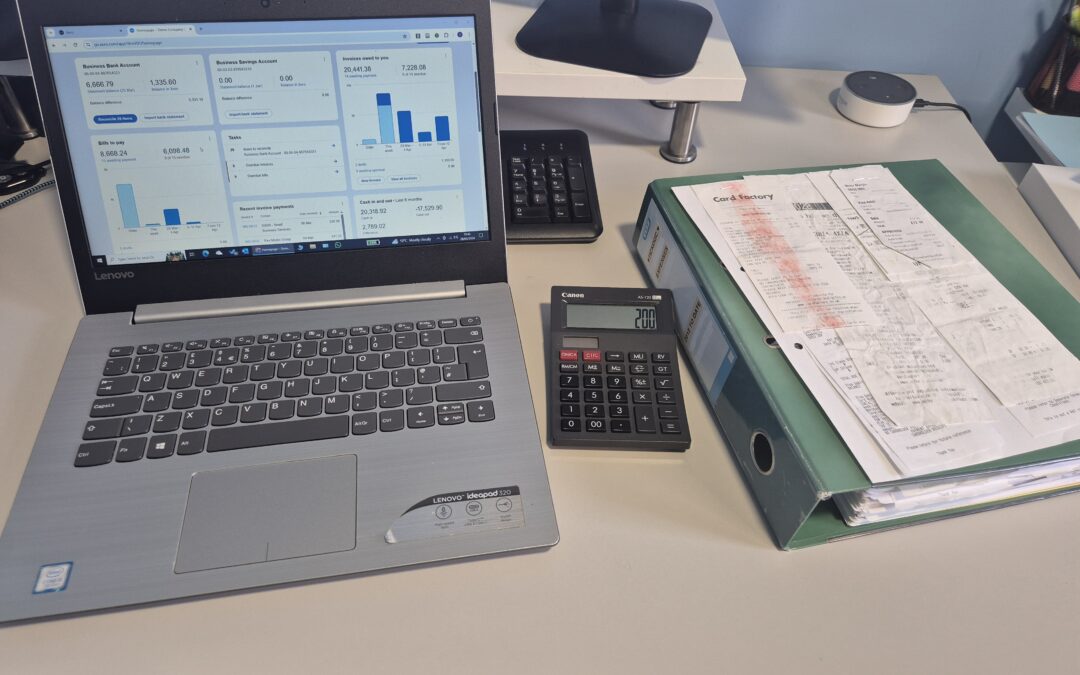
This relies on consistent bookkeeping and accounting software such as Xero, Quickbooks or FreeAgent that is set up correctly and used properly, not spreadsheets built under pressure. Monthly reporting turns margins into a control tool. It shows clearly whether selling more helps or hurts the business.
This is not about complexity. It is about visibility.
How Tickdoc Supports Small Businesses
Tickdoc accounting supports small businesses with monthly reporting, bookkeeping, cash flow and management accounts that focus on what actually matters.
As small business accountants, we also provide accounting software setup and training, ensuring systems are not just installed but actually used to produce meaningful numbers.
The aim is simple. To show whether turnover is translating into profit and where it is not. With clear margin tracking, decisions are based on facts rather than assumptions. Pricing improves. Costs stay visible. Growth becomes intentional instead of accidental.


New software setup or migration
A Quick Guide to Accounting Software for Small & Medium Sized BusinessIn today's digital world, using the right cloud accounting and bookkeeping software is key to managing your finances clearly and efficiently. We understand how important it is to set up your...

Business Expenses: A Simple Beginner’s Guide:
Business Expenses: A Simple Beginner's Guide:Starting a business? Great! Let's talk about allowable expenses for business. This guide will highlight methods to reduce your tax bill by accounting for allowable business expenses. Office Costs:Do you rent an office or...

Self Assessment Deadline
The 31st of January Self Assessment Deadline: Why Financial Record Keeping for Small Businesses Matters For many business owners, the Self Assessment deadline feels like one stressful date in January. In reality,...